Tag

team capacity

If There’s a Tire in Your Cup

open palm leadership represented by an illustration of a tire; from the title "tire in your cup"

If you’ve been following this feed, you know how this goes by now: CreativeMornings Phoenix hosts a free monthly talk, one local creative, one theme shared with hundreds of chapters around the world, no pitch, no agenda. I show up most months, notebook in hand, ready to get talked out of whatever I thought I understood walking in. This month did that within the first five minutes – and the speaker had me thinking about something I’m going to call open palm leadership.

Continue Reading

Quiet Cracking: What Your Best-Behaved Employees Aren’t Telling You

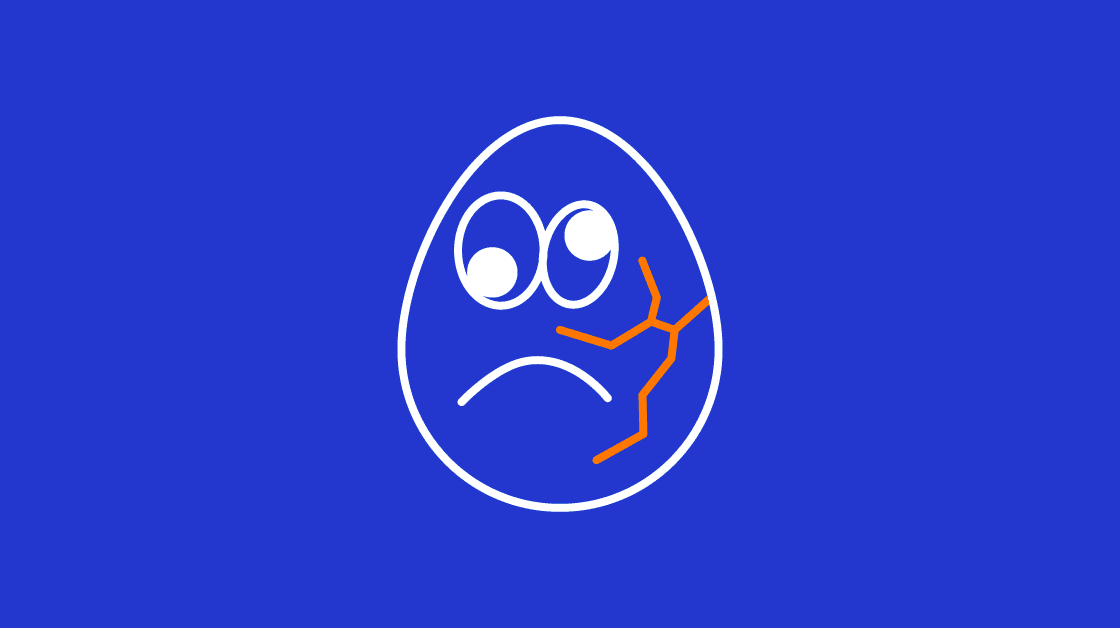
illustration of an egg with a sad face on it - and a crack. Implying the idea of quiet cracking.

Somewhere on your team right now, someone is doing everything right. Showing up on time, hitting deadlines, saying yes in the meeting they’d rather have skipped. All while quietly falling apart on the inside. Researchers have started calling it quiet cracking. It might just be the most misleading workplace trend to hit HR conversations in years. Why? Because from the outside, it looks like nothing is wrong at all.

Continue Reading

The Headcount Trap

an illustration of an empty chair symbolizing the headcount trap. the chair is blue line-art on a field of bright green.

There is a number that has quietly run a lot of hiring decisions for a long time. Not a budget number. Not a productivity metric. Just a headcount. How many people are on the team. Are there vacant cubicles? Whether the org chart looks the way the org chart was designed to look – it becomes a headcount trap.

It’s a reasonable thing to track. It becomes a problem when it starts standing in for something it was never designed to measure: whether the business actually has the capability it needs to do what it’s trying to do.

Those are different things. And the gap between them has gotten wider.

Continue Reading

Busywork: the Job You Never Applied For

digital illustration depicting busywork in the freelance hiring process by showing a snake in a circle with its head eating its own tail. In the middle of the circle created by the snake is the word "busywork". The image is a light blue snake on a field of dark blue with the word in orange.

It’s Tuesday evening, and your actual work is waiting. The kind that has your name on it, the kind that moves things forward. But instead of doing that work, you’re rewriting a job description for a freelance project manager you need next month. You’ve already rewritten it twice. You’re not sure it’s right. You post it anyway, to three different places, because that’s what the freelance hiring process has become: yours to manage, yours to run, yours to finish when everything’s done. So you do.

Continue Reading

Chill. We’ve Been in Your Corner – You Just Didn’t Know It.

The word "Chill." Written in a handwriting font in white on a blue field.

There’s a specific kind of exhaustion that sets in at week five of any project that was planned – and budgeted – for three. It’s not dramatic. It doesn’t announce itself. It just settles in quietly – in the fourth rescheduled deadline, the apologetic client email you draft and redraft, the Sunday afternoon you spend doing the work that Friday afternoon was supposed to hold. You’re not failing. You’re just running a marathon that started as a sprint, but kept getting longer while you continued running it – and doing it without the freelance talent support that could have made all the difference.

Most people push through. They redistribute the load, lean into the team, ask too much of the people who can least afford to give more, and eventually deliver something that’s good enough but not what it was supposed to be. Then they take a breath, declare it a win, and quietly file the whole experience under “that was rough” – without ever stopping to ask why it had to be rough in the first place.

That question, “why?” is worth asking. Because the answer, almost every time, is the same: there wasn’t enough flexible talent support in the room when the walls started closing in.

Continue Reading