Category

Contingent Workforce

Does Their Cup Runneth Over?

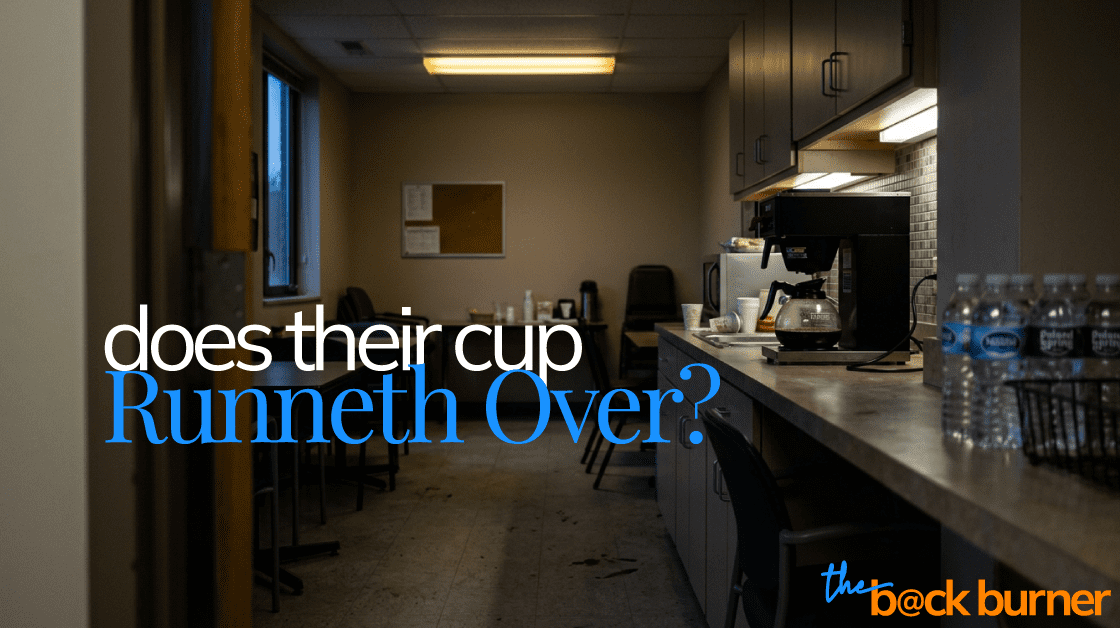
a photograph of an office break room with a nearly empty coffee pot on the counter. The break room looks shabby and unattractive, highlighting that the team is at capacity.

I’m betting there is a pot of coffee in your break room right now.

Maybe it is fresh. Maybe it has been sitting on the burner since before the morning standup and some well-intentioned co-worker keeps meaning to make a new pot but the day keeps happening. Either way, it’s there. It’s always there. Because that is what coffee does – it’s reliable. It fuels the team; it absorbs whatever the morning throws at it – but it also gets burned sometimes and overflows other times. Frequently, it just ends up empty.

Your core team is that coffee. Not because they grind – although I’m sure they do – but because they’re there. They’re showing up day after day.

Continue Reading

Asynchronous Collaboration Strategies That Actually Work

a photograph depicts asynchronous collaboration strategies. Showing a woman sitting at a desk taking notes while also looking at her laptop monitor and external display. her laptop shows a video-chat app, her other monitor displays a graph. The room filled with natural light from windows has plants, books, and a lamp in the frame.

There’s a particular kind of chaos that sets in around day three of managing a remotely distributed team.

You ping your designer in Istanbul at 8 AM your time. She’s already wrapped up for the day. Your developer in Portland won’t be online for another four hours. Your content strategist in Austin just sent eleven voice memos – all of them important, none of them short. And you’re sitting there, the supposed orchestrator of this whole operation, wondering how anyone gets anything done when everyone’s clocks are pointing in different directions.

Continue Reading

Skill Gaps vs Capacity Gaps

Illustration of two orange human figures; the one on the left is juggling four icons that represent skills, the one on the right is juggling several circles that represent capacity. Each figure is juggling one empty item. The illustration reinforces the idea of skill gaps vs. capacity gaps.

There’s a moment most business leaders know all too well. A project stalls. The deadline starts looking less like a target and more like a double-dog-dare. The roadmap for one product sits untouched while the team sprints on other fires. The instinct is immediate and almost universal: we need more people.

But more people doing what, exactly? And what kind of people – and for how long?

Continue Reading

The Hybrid Team Model Works. Here’s Proof.

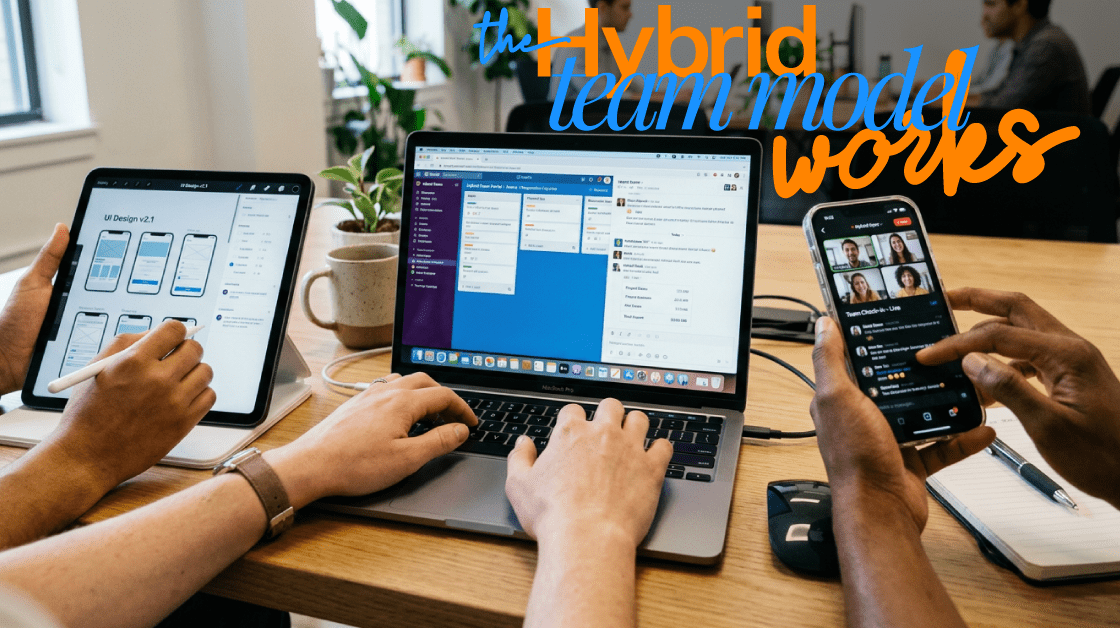
photo of 3 people working on different devices at the same table. Overlay of text says, "the hybrid team model works."

There’s a quiet revolution happening inside some of the world’s most competitive companies – and it doesn’t involve a rebrand, a pivot deck, or a ping-pong table that nobody actually uses. It’s something far more practical: the best operators have stopped treating their workforce as a binary choice. Full-time or contractor. Headcount or outsourced. Instead, they’ve built something more deliberate – a hybrid team model that blends permanent staff with specialized freelance talent in a way that’s strategic, not accidental. The result is a workforce that’s more agile, more cost-effective, and far better equipped to handle the actual shape of modern business demand.

Once you see how well it works, it’s genuinely hard to justify going back to the old way.

Continue Reading

Reliability in the Workplace is the Real MVP

Four men in business suits play basketball in a stadium filled with spectators. Two men wear gray suits, two men wear blue. One player is shown assisting the other depicting reliability in the workplace.

There may be no more underestimated driver of performance than reliability in the workplace.

Skills matter. Strategy matters. Talent certainly matters. But without consistency, none of those strengths sustain momentum for long. Reliability in the workplace is what turns strong ideas into executed plans and promising hires into trusted contributors. It is the invisible infrastructure holding everything together.

It does not sparkle. It rarely gets applauded in all-hands meetings. No one throws a parade because someone delivered what they said they would deliver on Tuesday at 3:00 p.m. by Tuesday… at 3:00. And yet, when reliability disappears, everyone notices immediately.

Because work that looks impressive and work that actually works are two very different things.

Continue Reading

The Ultimate Home Office Makeover Guide: Design, Tech, and Wellness Wins

photo of a home office with a tan leather chair next to a desk with a laptop on it. The photo has the words "the ultimate home office makeover guide" in the lower left corner.

There’s something about the start of a new year that makes even the most rational among us believe we’re about to become better versions of ourselves. Better organized. Improved focused. More intentional. Maybe even someone who drinks water before coffee. Every year, January arrives and it seems like everyone resolves to undergo an ultimate makeover of something or other. While some resolutions fade fast, one reset that actually sticks is the one that happens quietly, every weekday, in the place where work gets done – a home office makeover.

Continue Reading

Freelancers in Cross-Functional Projects Are The Ringmaster’s Glue

illustration of a light blue glue bottle creating a wavy line of white glue.

Cross-functional projects often feel like a three-ring circus. Marketing, engineering, and sales are each speaking their own language, walking tightropes of competing timelines, and juggling full workloads. The Project Manager becomes the Ringmaster – without the red coat, top hat, or applause – trying to keep every act synchronized. It’s thrilling, yes, but also exhausting. That’s when freelancers in cross-functional projects become the unsung glue that keeps each act aligned.

Enter the clowns – not the creepy or chaotic ones, but the skilled performers who step in exactly when the Ringmaster needs them most.

Continue Reading

Caught in a Web of Overcommitment? Flexible Staffing Helps You Escape

illustration of orange spider hanging from light blue web in upper left corner of image. Background of image is dark blue.

It’s that time of year when cobwebs pop up in unexpected corners, pumpkins glow eerily on front porches, and somewhere, a ghost is probably judging your Halloween candy choices. But the scariest thing for your team this season isn’t costumes or haunted houses – it’s overcommitment. Yes, your very real, very human team, stuck in a tangled web of too many projects, too few resources, and deadlines that feel like they’re chasing them through a dark forest.

If this sounds familiar, don’t panic. There’s a way out of the overcommitment trap, and it doesn’t require a magic potion – it’s called flexible staffing.

Continue Reading